
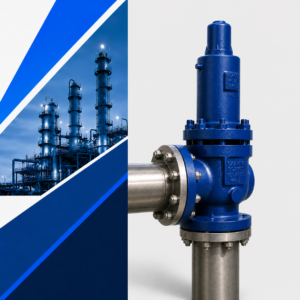







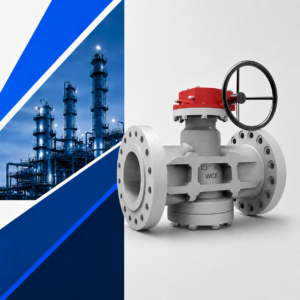
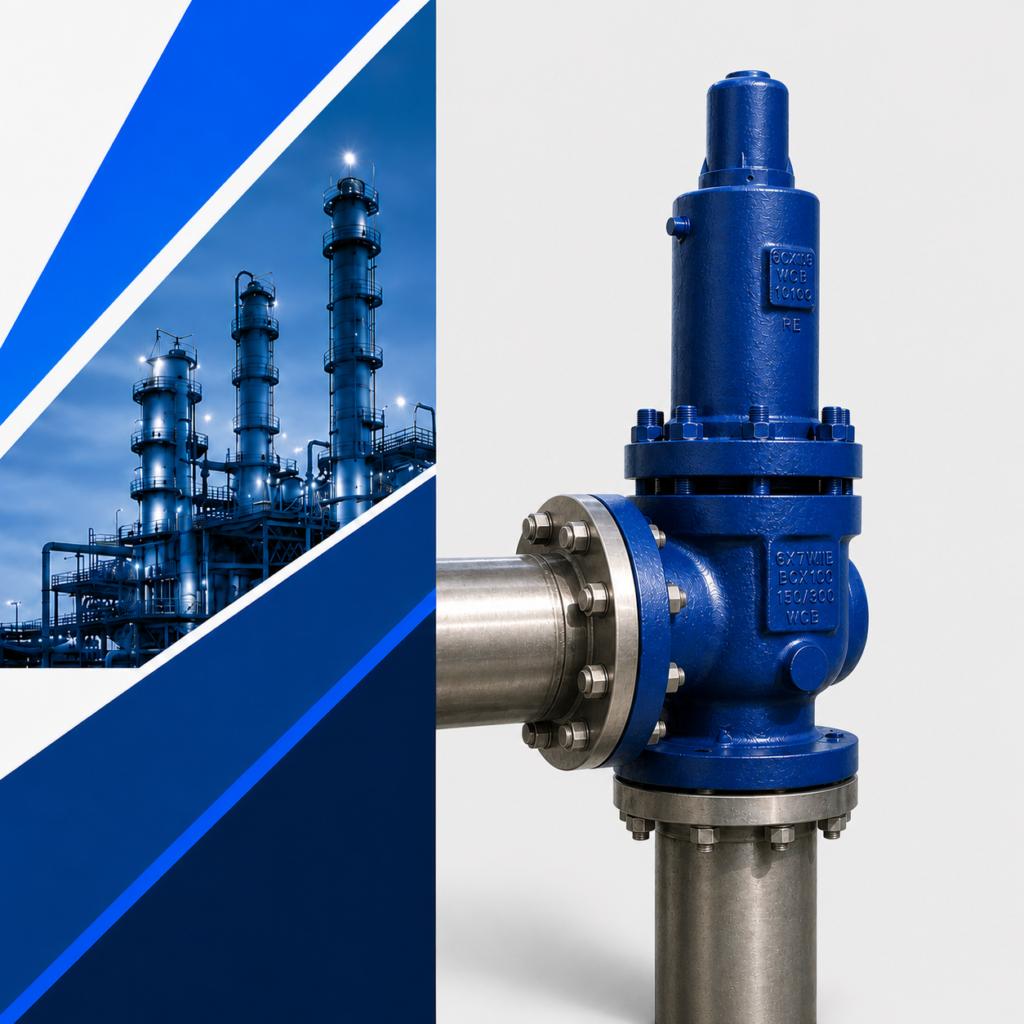
Critical Overpressure Protection for Industrial Systems Our Safety Relief Valves are specialized, highly reliable devices engineered to act as the most critical overpressure protection component for pressure vessels and pipelines. Designed to ensure operational safety and system integrity, these valves automatically open to fully discharge the medium when the internal pressure rises beyond the allowable limit, effectively preventing any further pressure increase and potential structural damage. Automatic and Precise Operation: Once the system pressure drops back to the precise set value, the valve automatically and timely closes to prevent product loss and resume normal operations. Customizable Configurations: Understanding that every industrial process is unique, our safety relief valves can be tailored to specific requirements. They can be provided in various Bonnet Types, configured with or without a lifting lever, and manufactured using custom material grades for both body and internal components upon demand.
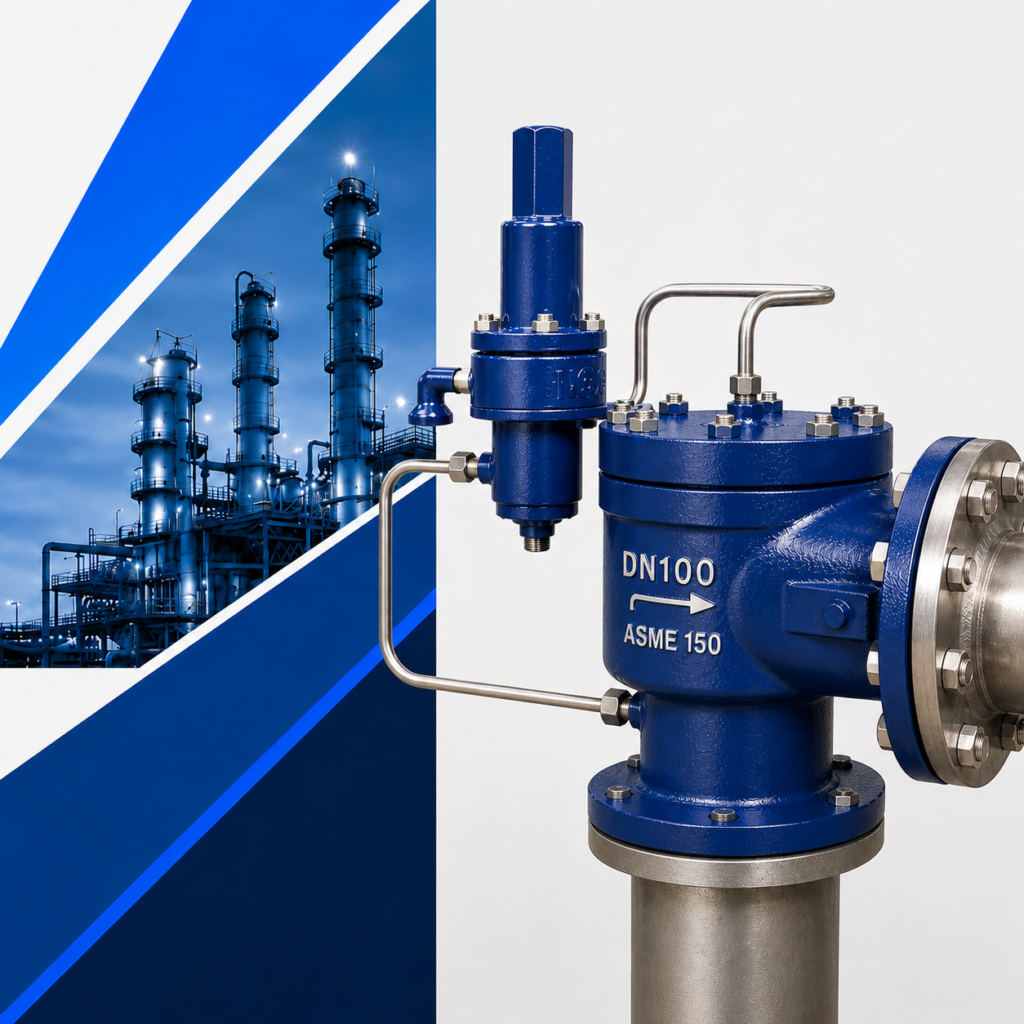
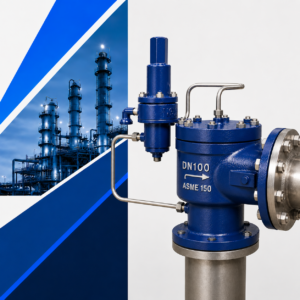
Advanced Overpressure Protection for High-Pressure Applications A Pilot-Operated Safety Valve (POSV) is a state-of-the-art pressure relief device consisting of a main valve controlled by a self-actuated auxiliary "pilot" valve. Unlike conventional spring-loaded valves, our POSV intelligently uses system pressure to maintain a tight seal. This advanced design allows the system to operate at up to 98% of set pressure without leakage, offering superior performance, significantly reducing valve chatter, and providing highly reliable overpressure protection. Key Industry Applications: Designed for high relief capacity and absolute reliability, these valves are the ideal choice for systems with stringent high operating pressure requirements where conventional valves might fail, leak, or chatter. They are widely used across: Oil and Gas Pipelines Compressor Stations Chemical and Petrochemical Plants
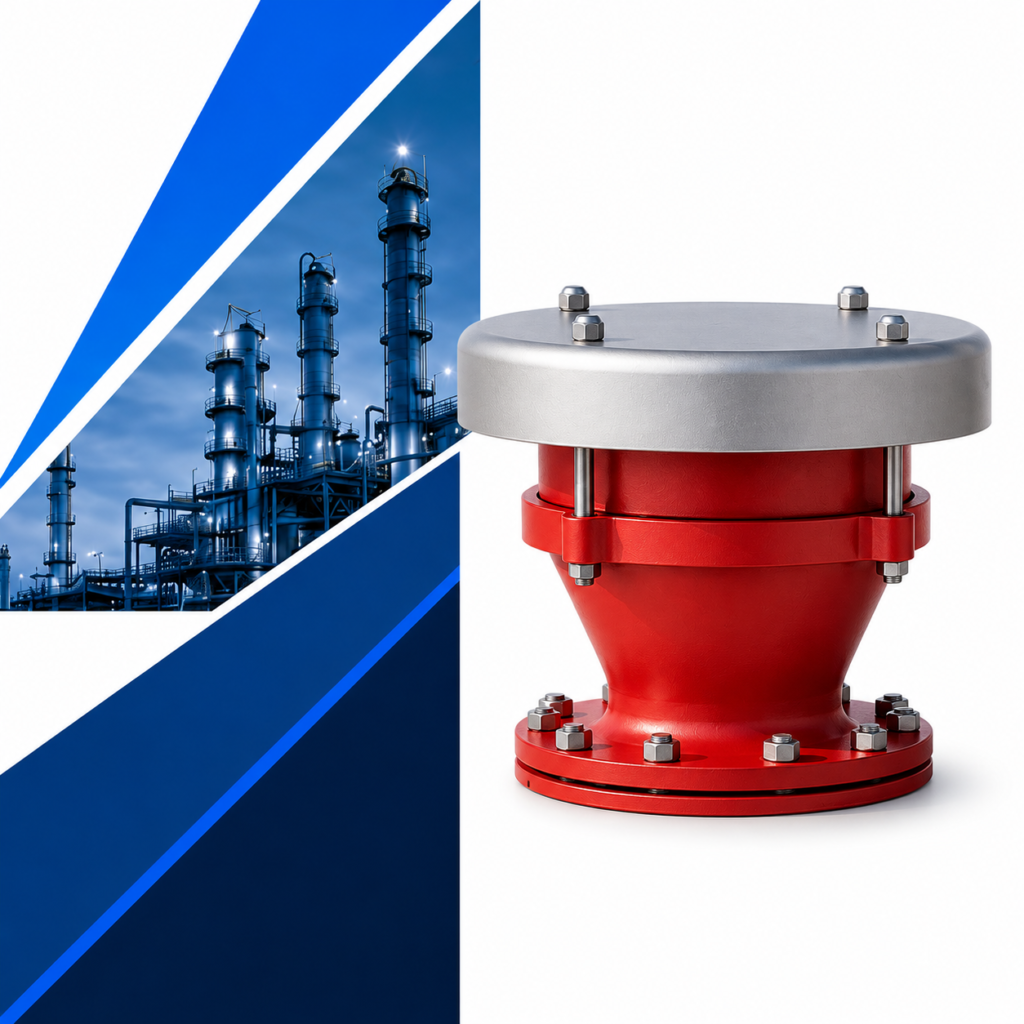
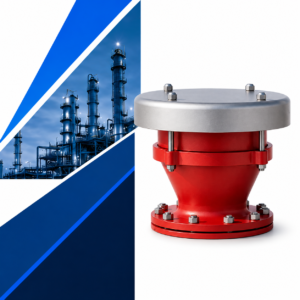
Maximum Safety at Atmospheric Vent Outlets End-of-line flame arresters are critical safety devices specifically engineered for installation at the atmospheric vent outlets of storage tanks or pipelines. Their primary function is to prevent external flames from propagating and igniting internal flammable vapors, safeguarding critical infrastructure against catastrophic deflagrations caused by external ignition sources, such as lightning strikes or external fires. Advanced "Quenching Gap" Technology: These devices operate using the highly effective "quenching gap" principle. Featuring a precisely engineered crimped metal ribbon element, the arrester absorbs the intense heat of a flame front and rapidly extinguishes it. This design ensures maximum safety while still allowing for normal and unimpeded tank breathing (venting) under standard operating conditions. Certifications and Compliance: Designed to meet the highest industrial safety standards, our equipment is certified compliant with TS specifications for the C(IIB3) gas group (available in sizes from 2” to 16”), providing reliable protection across various hazardous environments.
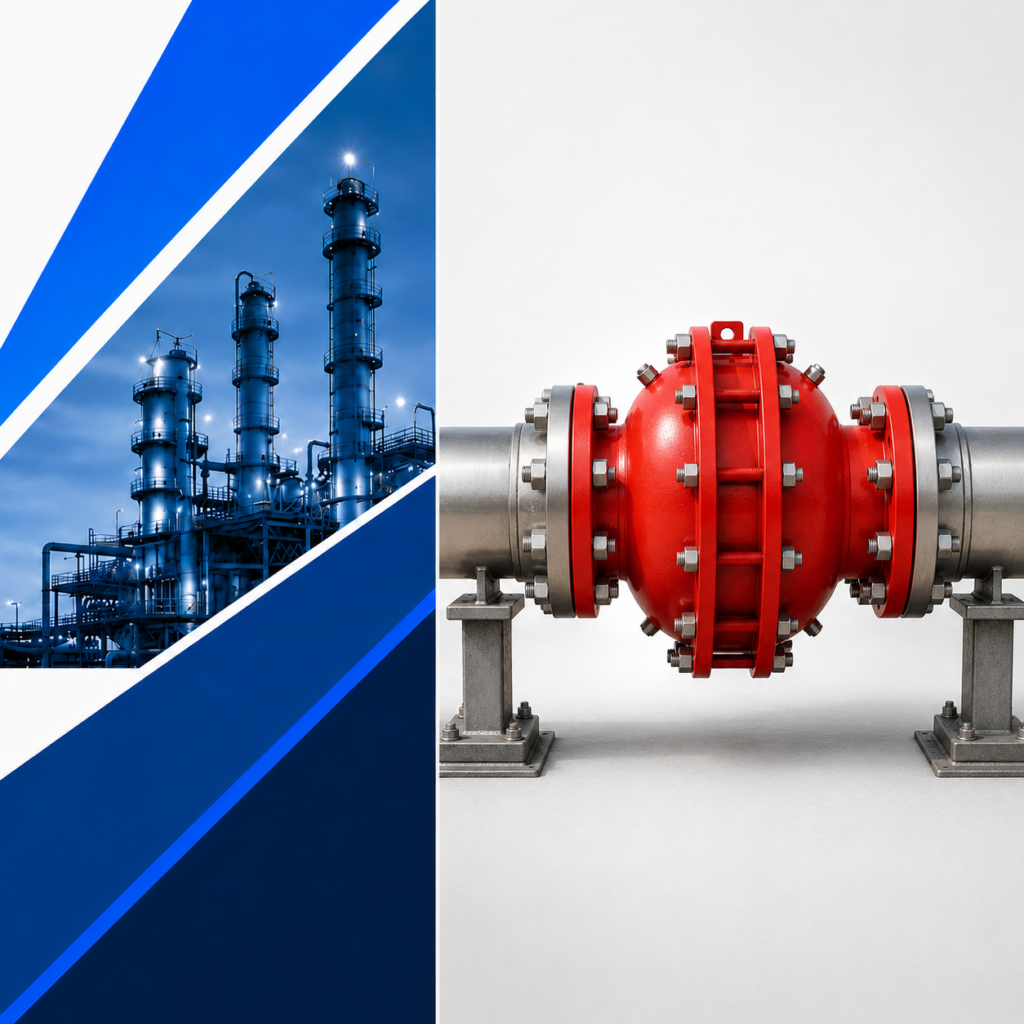
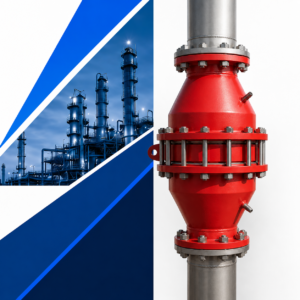
Reliable Flame Propagation Prevention in Piping Systems In-Line Deflagration Flame Arresters are advanced safety devices specifically designed for installation within closed piping systems. Their primary function is to prevent the propagation of flames resulting from internal explosions occurring at subsonic speeds (deflagration). By stopping the flame front in its tracks, these devices critically protect downstream equipment, infrastructure, and personnel. Advanced Extinguishing Technology: These arresters utilize precision-engineered crimped-ribbon or metal matrix elements to effectively absorb heat and extinguish the flame front. The intelligent design ensures maximum safety while maintaining optimal flow efficiency. Key Operational Features: Bi-directional Protection: Capable of stopping deflagrations from either direction within the piping system. Low Pressure Drop: Designed to minimize flow resistance, ensuring efficient system operation. Maintenance Friendly: Features easy-to-clean elements to reduce downtime. Certifications: Certified compliant with TS specifications for the C(IIB3) gas group (sizes 2” ~ 16”).
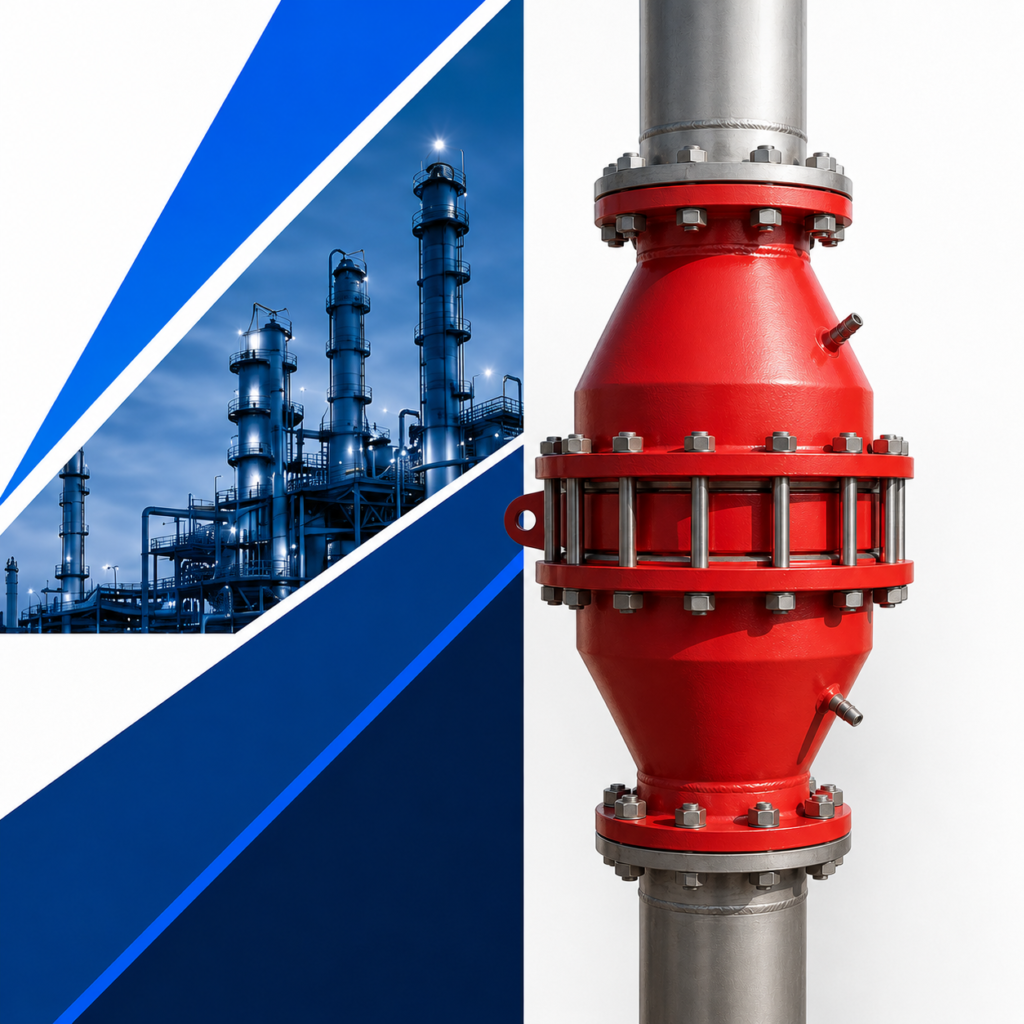
Maximum Protection Against Supersonic Flame Propagation A Detonation Flame Arrester is an ultra-rugged safety device engineered to stop supersonic flame propagation and high-pressure shock waves within piping systems. Its critical role is to prevent catastrophic explosions from reaching flammable storage tanks or sensitive downstream equipment. Handling "Overdriven" Detonations: Unlike standard deflagration arresters, these highly robust units are specifically designed to withstand and neutralize the extreme forces of "overdriven" detonations. They utilize a heavy-duty metal element matrix that rapidly absorbs the intense heat and completely quenches the flame, even under maximum stress conditions. Certifications and Reliability: Built for the most demanding industrial environments, our detonation flame arresters provide unparalleled reliability. They are backed by ATEX certification for D(IIA) and C(IIB3) gas groups (available for sizes 2” ~ 12”), ensuring full compliance with international safety protocols.

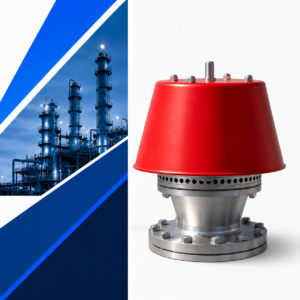
Critical Structural Protection for Storage Tanks An End-of-Line Breather Valve, also known as a Pressure/Vacuum Relief Valve (PVRV), is an essential safety device installed on atmospheric and low-pressure storage tanks. Its primary function is to protect the tank against catastrophic structural damage (such as implosion or rupture) resulting from internal pressure changes. Automatic Regulation & Evaporation Control: The valve maintains a perfectly sealed state under normal conditions to significantly reduce evaporation losses and environmental emissions. It automatically reacts to regulate overpressure (venting) and vacuum (breathing) conditions that occur during normal tank filling and emptying operations, or due to thermal fluctuations caused by atmospheric temperature changes. Design & Standards: Manufactured strictly in accordance with API 2000 and ISO 28300 standards, these valves are available in both weight-loaded and spring-loaded configurations to meet precise operational requirements.
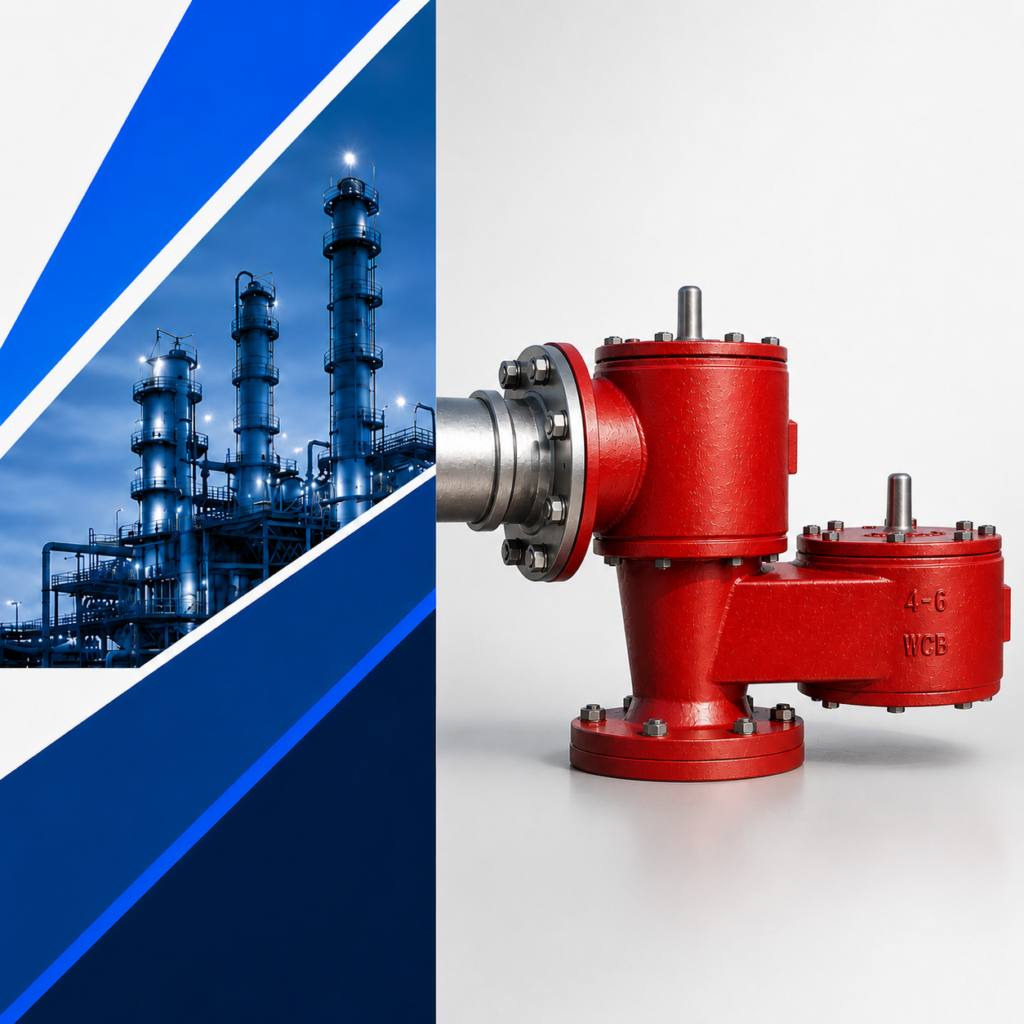
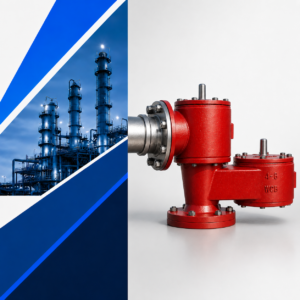
Precision Pressure Control for Closed Systems An In-Line Breather Valve, functioning as an in-line Pressure/Vacuum Relief Valve (PVRV), is a vital safety component engineered to protect tanks, vessels, and closed piping systems from severe structural damage caused by internal pressure imbalances. Automated Pressure Equilibrium: Designed for seamless integration within piping networks, this valve automatically regulates the system's internal atmosphere. It precisely releases excess internal pressure (out-breathing) and permits controlled air or gas inflow (in-breathing) to prevent vacuum-induced collapse. This dual action ensures continuous pressure equilibrium, whether venting to the atmosphere or into a closed vapor recovery system. Design & Standards: Manufactured strictly in accordance with API 2000 and ISO 28300 standards, these valves are available in both weight-loaded and spring-loaded configurations to accommodate a wide range of precise operational pressure settings.

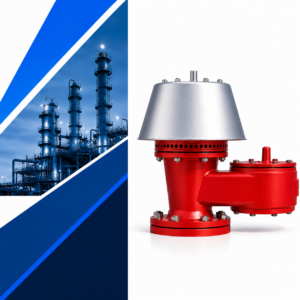
Ultimate 2-in-1 Protection for Storage Tanks An End-of-Line Breather Valve with Flame Arrester (often referred to as a FAB Valve) is an advanced, combined safety device designed to be mounted atop atmospheric and low-pressure storage tanks. It seamlessly integrates the structural protection of a Pressure/Vacuum Relief Valve (PVRV) with the fire prevention capabilities of a high-performance flame arrester into a single, compact unit. Dual-Action Safety Mechanism: Pressure Control: Automatically regulates internal tank pressure by releasing excess overpressure (out-breathing) and allowing air intake (in-breathing) to prevent vacuum collapse and reduce evaporation losses. Fire Protection: Features a robust flame arrester element that acts as an impenetrable barrier, extinguishing external flames and preventing them from entering the tank and igniting internal flammable vapors. Design & Certifications: Engineered to meet the most stringent safety protocols, the valve mechanism complies with API 2000 and ISO 28300, while the flame arrester is fully certified to ISO 16852 standards.

Integrated Pressure Control and Flame Protection for Closed Systems An In-Line Breather Valve with a Flame Arrester is a highly engineered, critical safety device designed to be seamlessly integrated into closed piping and vapor recovery systems. It combines the precise pressure and vacuum regulation of an in-line PVRV with the advanced fire-stopping capabilities of a high-performance flame arrester. Dual-Action Safety & Vapor Control: Pressure/Vacuum Regulation: Automatically controls internal pressure by venting excess pressure and allowing air or gas intake to prevent vacuum-induced structural collapse, thereby minimizing costly vapor losses. Flame Propagation Prevention: Equipped with a precision crimped metal ribbon element that acts as an advanced quenching matrix. It effectively stops external flames from propagating through the piping system, protecting the tank and downstream equipment from catastrophic explosions and fire risks. Design & Certifications: Built for maximum reliability, the pressure relief mechanism is designed strictly to API 2000 and ISO 28300 standards, while the integrated flame arrester is fully certified to ISO 16852.
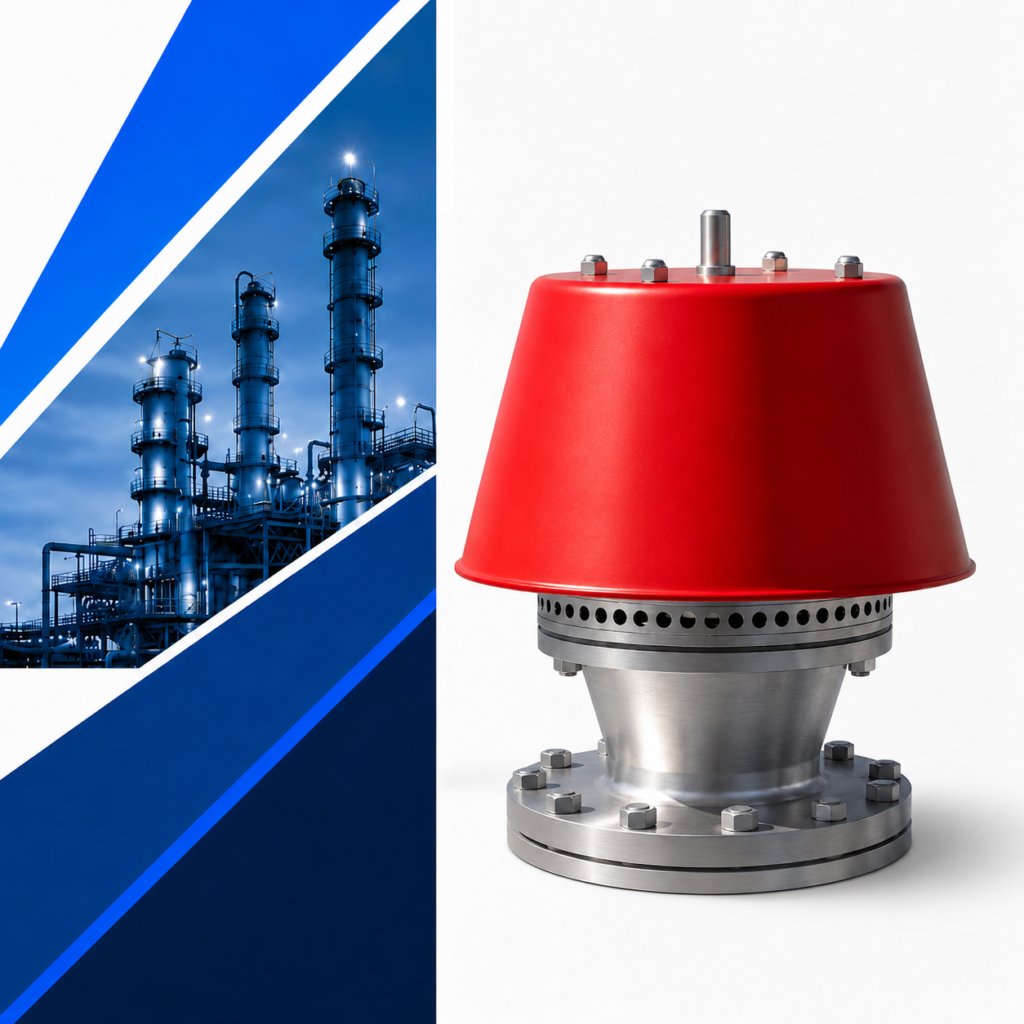
Precise Pressure Relief: Engineered with precision and accuracy, the 9300 valve is designed to release pressure precisely at the pre-set points. This ensures that equipment and systems are protected from the harmful effects of overpressure, minimizing the risk of damage and extending the lifespan of valuable assets. Durable Construction: Constructed using high-quality and robust materials, the valve is built to withstand the harshest operating conditions. It can endure extreme temperatures, pressures, and corrosive substances, providing long-term and reliable service in even the most challenging industrial environments. Sealing Reliability: The valve is equipped with advanced sealing mechanisms that ensure tight sealing to prevent any leakage. This not only maintains the integrity of the system but also helps to optimize the performance and efficiency of the industrial process. Standards: API2000, ISO28300
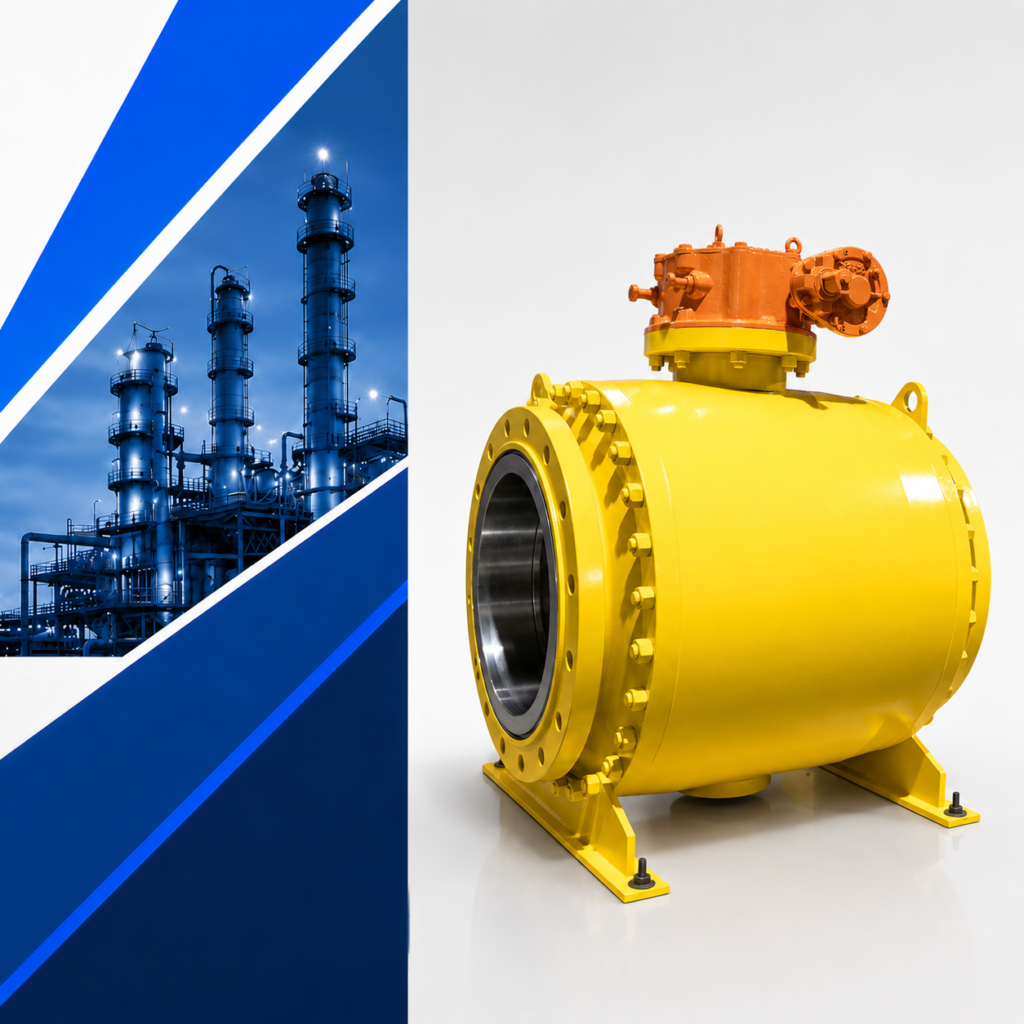
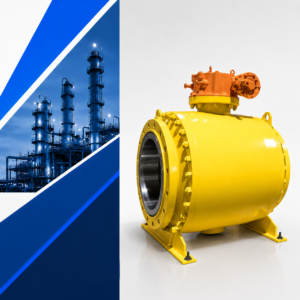
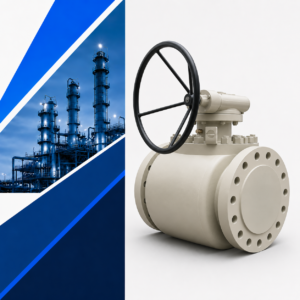
Technical Specification Design Standard API 6D, API 608, ISO 17292 Face Fo Face ANSI B16.10 End Flange ANSI B16.5, ANSI B16.47 BW End ANSI B16.25 HUB End Grayloc, Vector Techlok Test & Inspection API 598, API 6D, ISO 12266 Size Range 1” ~ 48” Pressure Class Range ANSI 150 ~ ANSI 2500 Temperature Range -196°C ~ +675°C Operation Manual, Gearbox or Actuated

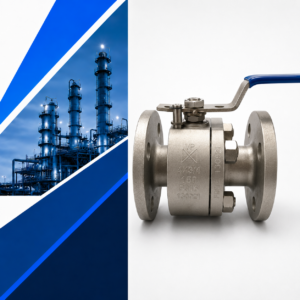
Technical Specification Design Standard API 6D, BS 5351, ISO 17292 Face Fo Face ANSI B16.10 End Flange ANSI B16.5 BW End ANSI B16.25 SW / NPT End ANSI B16.11 Test & Inspection API 598, API 6D Size Range 1/4” ~ 8” Pressure Class Range ANSI 150 ~ ANSI 2500 Temperature Range -196°C ~ +675°C Operation Manual Lever, Gearbox or Actuated
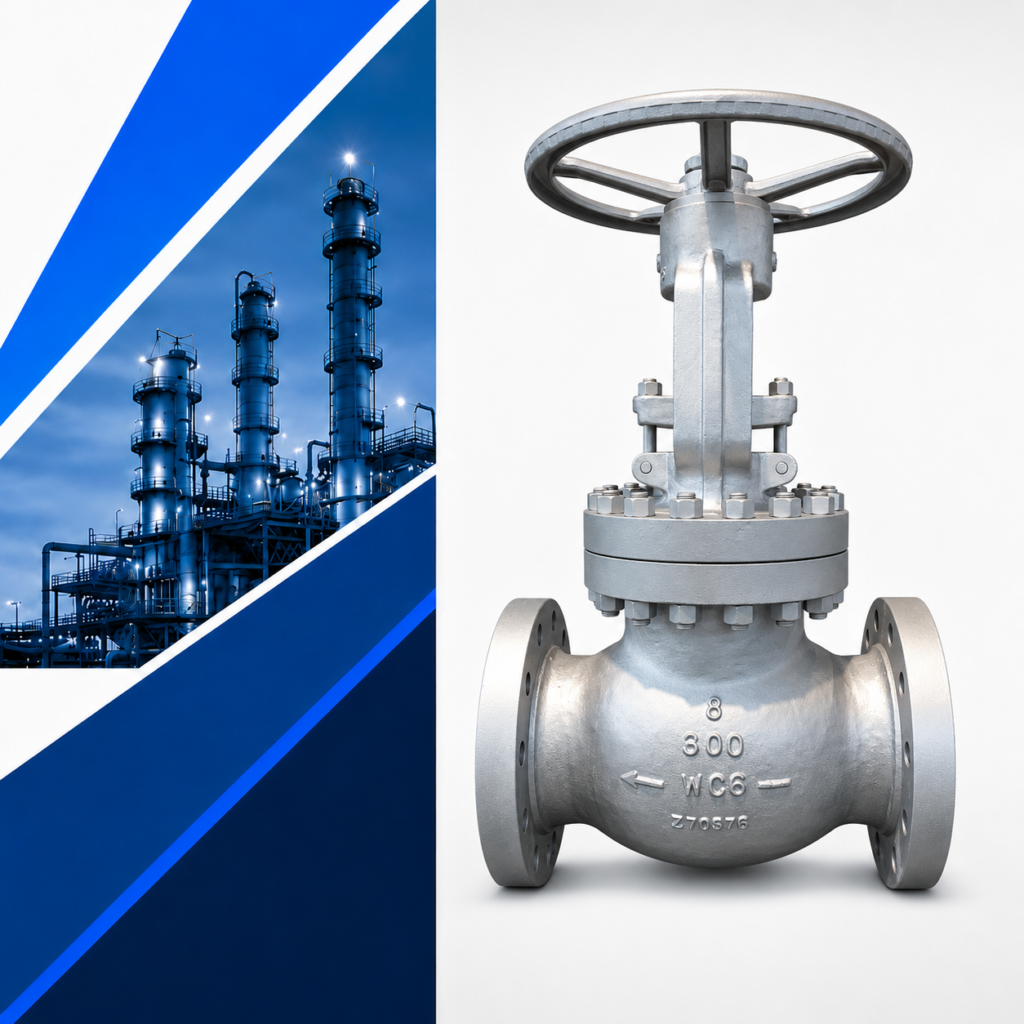
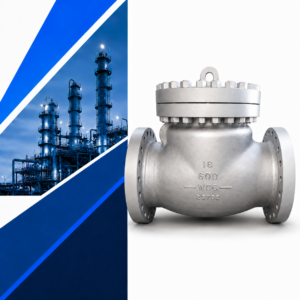
Technical Specification Design Standard BS 1873, API 623 Face Fo Face ANSI B16.10 End Flange ANSI B16.5, ANSI B16.47 BW End ANSI B16.25 Test & Inspection API 598 Size Range 2” ~ 60” Pressure Class Range ANSI 150 ~ ANSI 2500 Temperature Range -46°C ~ +675°C Operation Manual, Gearbox or Actuated
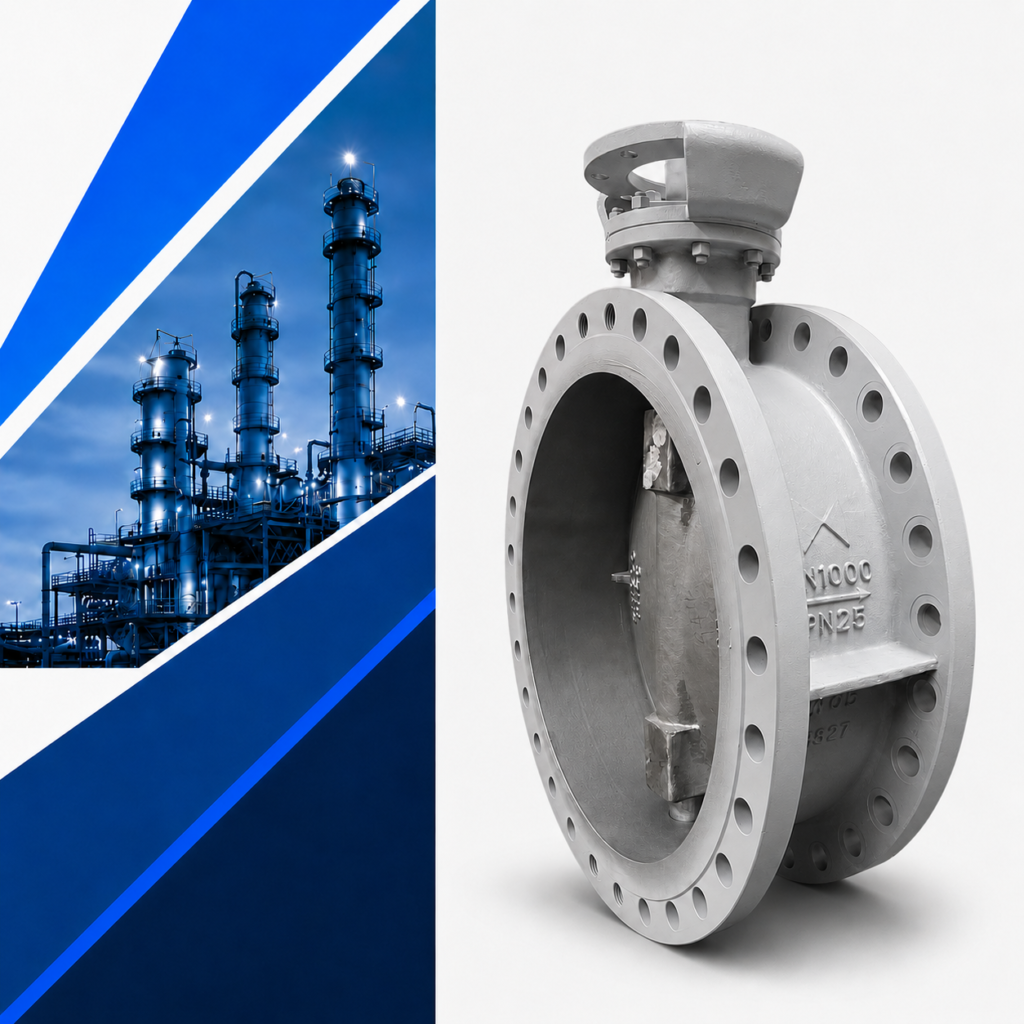
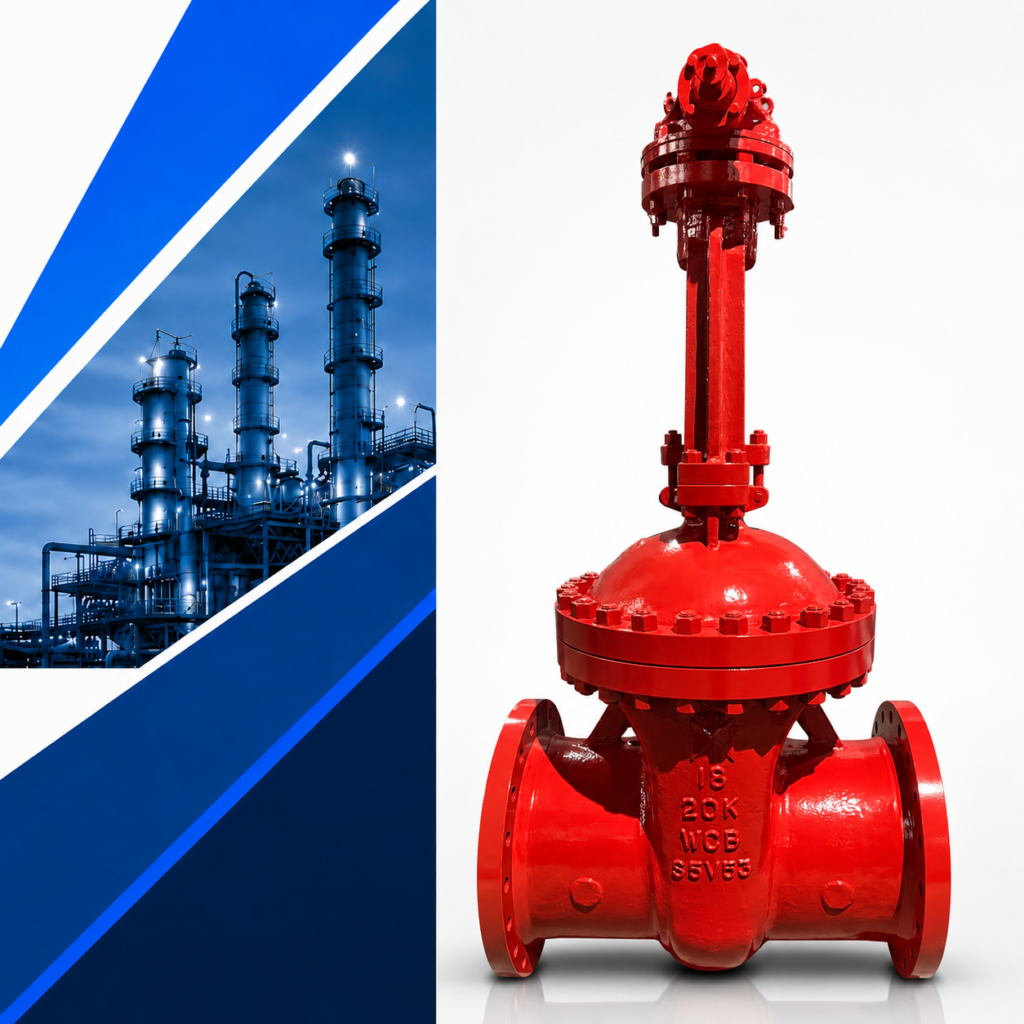
Technical Specification Design Standard API 600 Face Fo Face ANSI B16.10 End Flange ANSI B16.5, ANSI B16.47 BW End ANSI B16.25 Test & Inspection API 598 Size Range 2” ~ 60” Temperature Range -196°C ~ +675°C Operation Manual, Gearbox or Actuated
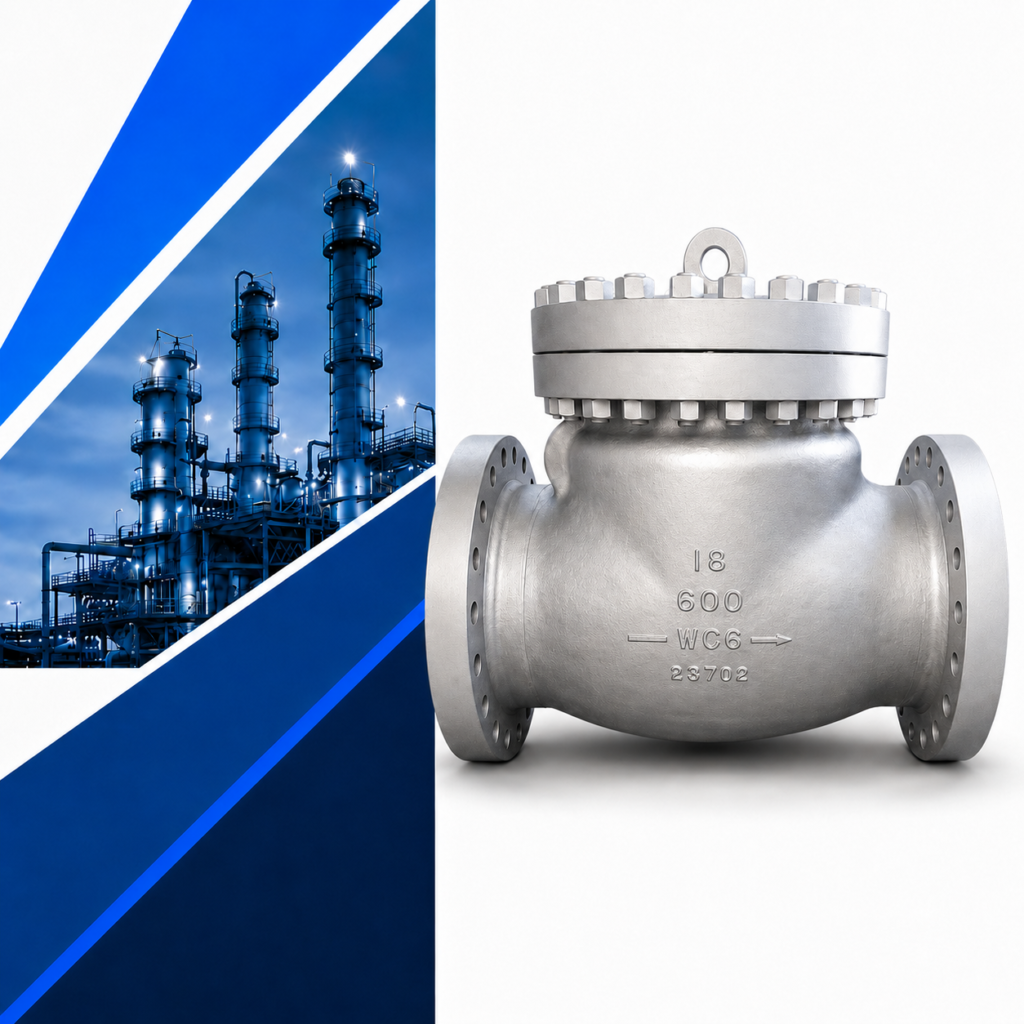
Technical Specification Design Standard API 594, API 6D Face Fo Face API 594, API 6D, ANSI B16.10 End Flange ANSI B16.5, ANSI B16.47 BW End ANSI B16.25 Test & Inspection API 598, API 6D Size Range 2” ~ 60” Pressure Class Range ANSI 150 ~ ANSI 2500 Temperature Range -196°C ~ +675°C
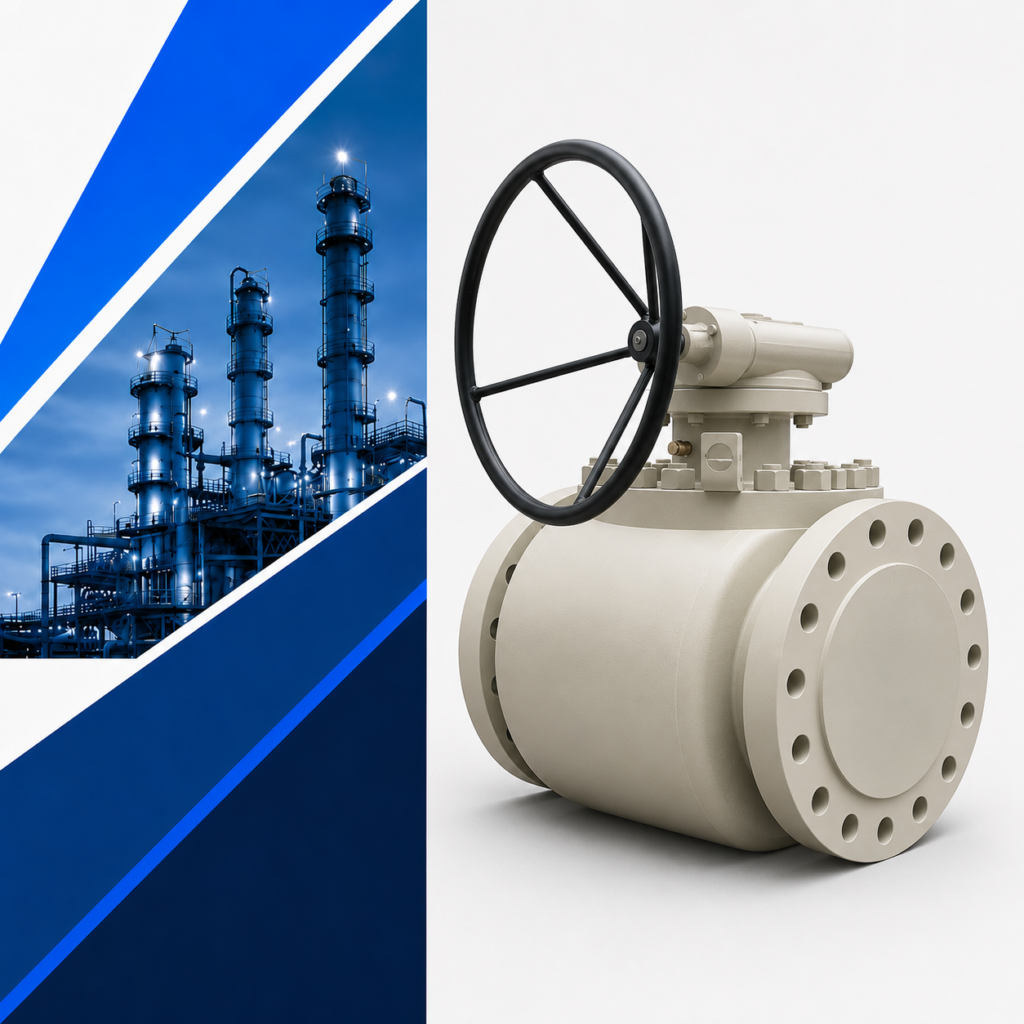
Technical Specification Design Standard API 6D, ASME B16.34 Face Fo Face ANSI B16.10 End Flange ANSI B16.5 BW End ANSI B16.25 Test & Inspection API 598, API 6D, ISO 12226 Size Range 2” ~ 24” Pressure Class Range ANSI 150 ~ ANSI 2500 Temperature Range -196°C ~ +675°C Operation Manual Lever, Gearbox or Actuated

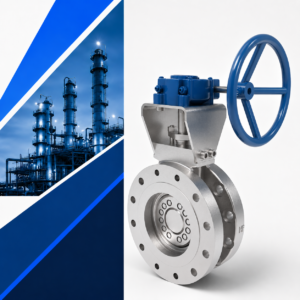
Technical Specification Design Standard API 609 Face Fo Face API 609 End Flange WAFER or ANSI B16.5, ANSI B16.47 BW End ANSI B16.25 Test & Inspection API 598 Size Range 2” ~ 48” Pressure Class Range ANSI 150 Temperature Range -29°C ~ +200°C Operation: Manual, Gearbox or Actuated
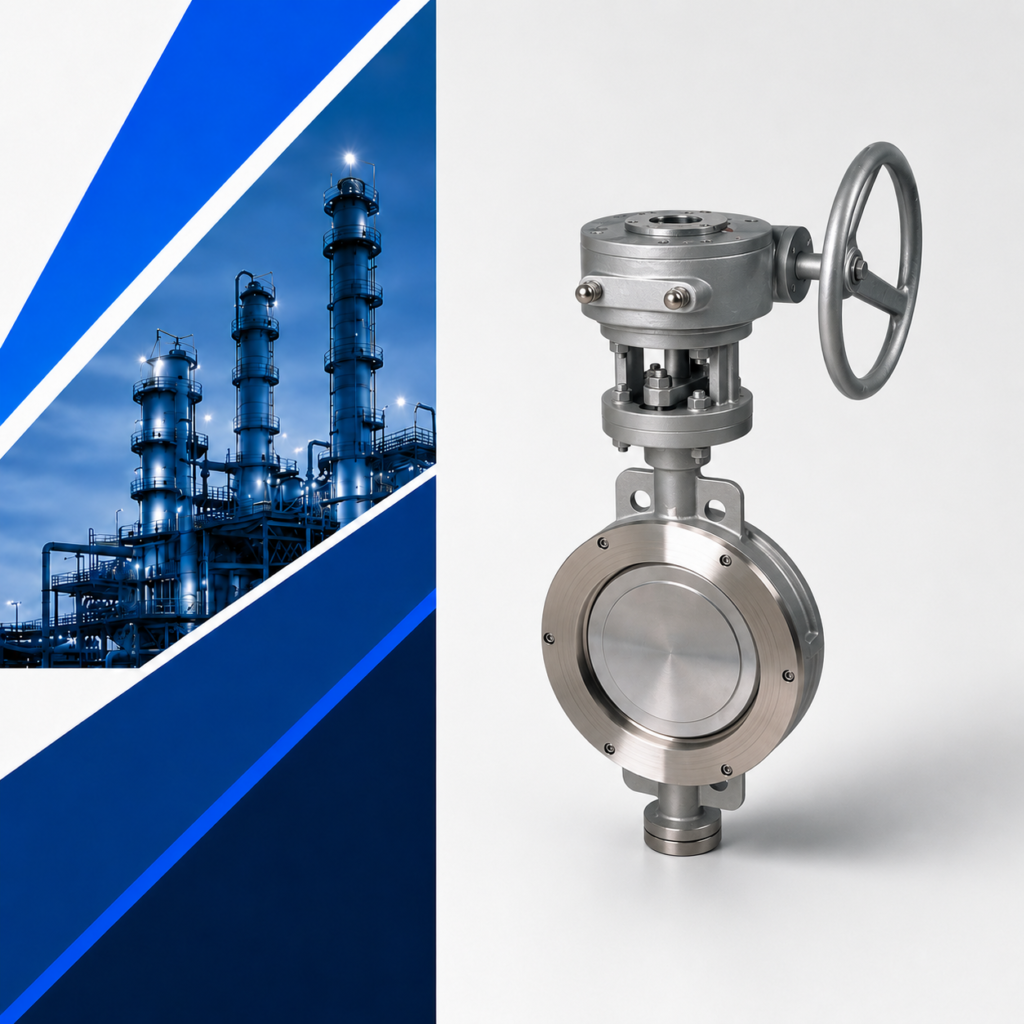
Technical Specification Design Standard API 609 Face Fo Face API 609 End Flange WAFER or ANSI B16.5, ANSI B16.47 BW End ANSI B16.25 Test & Inspection API 598 Size Range 2” ~ 48” Pressure Class Range ANSI 150 ~ ANSI 900 Temperature Range -29°C ~ +200°C Operation: Manual, Gearbox or Actuated

Technical Specification Design Standard API 609 Face Fo Face API 609 End Flange WAFER or ANSI B16.5, ANSI B16.47 BW End ANSI B16.25 Test & Inspection API 598 Size Range 2” ~ 60” Pressure Class Range ANSI 150 ~ ANSI 900 Temperature Range -196°C ~ +450°C Operation: Manual, Gearbox or Actuated